Roulette excitement deep dive into bets, layouts and timing choices

Roulette Excitement Beyond the Spinning Wheel
Roulette tends to catch people before they fully understand what they are looking at. A bright wheel turns, a small ball rattles around the outer track, and suddenly a table full of coloured squares seems less intimidating than it did a moment earlier. In a land-based casino, players often gather around the wheel almost without planning to. Online, the same pull appears in a different form, with live dealers, animated tables, countdown clocks, and a stream of decisions arriving faster than some newcomers expect. Platforms such as https://ii-89.com/ are often explored by users who want to see how this familiar casino game translates into a digital lobby.
The appeal is not only about winning a spin. Many players describe roulette as a game that feels social even when nobody says much. Someone may study the layout in silence, another person may cheer at a single number, and a cautious newcomer may place one modest outside bet simply to feel involved. The game carries suspense in a compact form. There is waiting, movement, a sudden result, then a fresh chance to decide what happens next.
Contents
The Wheel at Close Range
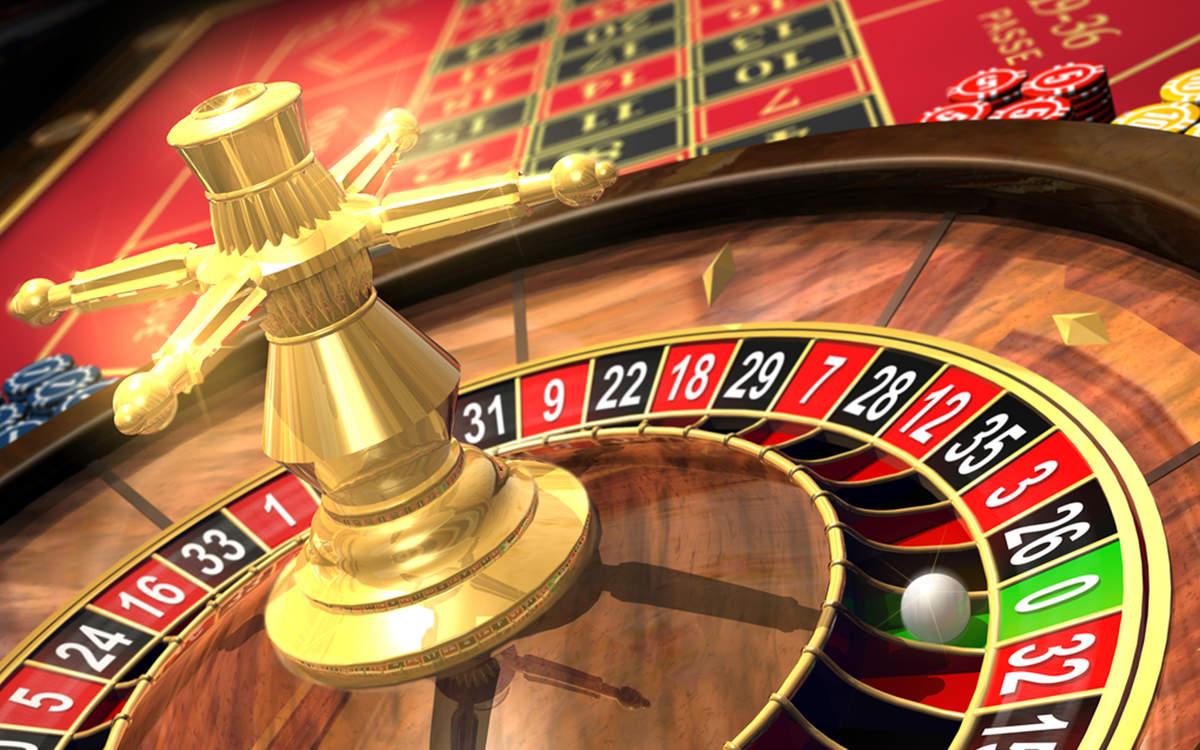
Players who approach a roulette table for the first time often look at the wheel before they look at the betting grid. That makes sense. The wheel is the centre of the scene, and its movement gives the game a theatrical quality that card games do not always have. In a casino hall, the spinning sound can cut through surrounding chatter. At a live online table, the camera angle often lingers on the wheel for the same reason, because seeing the ball bounce is part of what makes the result feel immediate.
There is also a curious rhythm to roulette. For much of a round, players are active. They move chips, change minds, watch other people select numbers, and perhaps follow a recurring personal pattern. Then betting closes. Everything pauses emotionally, even though the wheel is still moving. That short interval gives the game its tension. Some experienced users say this is the moment they enjoy most, not the winning announcement itself but the uncertainty just before it.

A roulette wheel is not arranged in numerical order, which surprises plenty of newcomers. The numbers are deliberately scattered around the wheel, mixing colours and high and low values. The layout on the table, by contrast, is orderly and rectangular. Players gradually realise they are looking at two different maps of the same game. One is made for betting. The other is made for suspense.
That separation can create a small mental trap. A player may see several red results in a row and feel that black is somehow due. Another may notice a number that has not appeared for a while and become convinced it is waiting in the wings. Roulette does not promise either outcome. Each spin is separate from the last, but the human instinct to find a pattern is strong. It is part of the entertainment, although many careful players keep reminding themselves that a sequence is still only a sequence.
Roulette Variants and Their Different Personalities
Not every roulette table feels the same. The broad idea stays familiar, but the number of zero pockets changes the game’s character more than new players sometimes realise. European roulette has a single green zero. American roulette adds a double zero, giving the wheel an extra green pocket. French roulette uses a single zero too, and it is often associated with traditional terminology and certain rules that some players find appealing.
European roulette is frequently the version newcomers gravitate toward in online casino lobbies. The interface tends to look clean, the rules are easy to recognise, and the single-zero wheel is widely viewed as a more player-friendly structure than the double-zero alternative. That does not mean it becomes predictable. It simply means the mathematical edge held by the operator is generally lower than in standard American roulette.
American roulette has a different visual identity. The double zero is easy to spot, and the wheel looks slightly busier. Some players enjoy it because it is strongly connected with classic casino imagery, especially the larger, louder casino floor style. Others avoid it once they understand the difference in wheel structure. Neither reaction is unusual. Casino users often make choices based on atmosphere first, then adjust their preferences after a few sessions.
French roulette can feel more formal, even when it is presented through a modern browser window. Terms such as voisins du zéro, tiers du cylindre, and orphelins can initially seem like a foreign language. Yet some players enjoy that layer of tradition. It gives the table a sense of ceremony, as though the game has carried a few old habits into a digital setting. For users who prefer a simple route, many online operators also provide standard betting buttons alongside the classic French options.
Then there are the newer interpretations. Lightning-style roulette, multiplier roulette, mini roulette, automated roulette, and rapid rounds have all appeared in online casinos. These versions attract people who want the basic wheel game with an additional twist. Multipliers can make individual results feel bigger, while automated tables may suit users who do not need dealer conversation or a broadcast studio. Some traditional players find these formats distracting. Others say they make a familiar game feel less static. That mild disagreement is probably healthy, since roulette has always had room for both ritual and novelty.
Layouts That Shape the First Decisions
The roulette layout is where enthusiasm can briefly turn into hesitation. Newcomers see numbers from 1 to 36 in three columns, then a collection of boxes along the edges marked red, black, odd, even, high, low, dozens, and columns. It looks complicated because there are many choices, not because the basic idea is impossible. Most players become comfortable once they understand that the layout divides bets by how many numbers they cover.

At the centre sit the individual number spaces. These are where players place inside bets. Around the outside are wider selections, generally used for bets covering a larger part of the wheel. The visual contrast helps once a player has watched a few rounds. There is no need to memorise every betting name immediately. In fact, people who try to learn everything at once often become less relaxed than those who begin with one or two straightforward options.
Online roulette layouts often make this easier by highlighting valid chip positions. A user taps a number, a colour, or a line between numbers, and the interface handles the placement precisely. Live casino tables introduce a little more atmosphere. A dealer may announce that betting is open, players place digital chips, and the screen displays recent results at the side. The layout remains the same, but the environment feels less solitary.
Some players treat the table as a kind of personal map. They repeatedly choose dates, favourite numbers, neighbouring clusters, or a particular colour pattern. The reasons are usually emotional rather than mathematical. A number connected to a birthday does not gain a better chance, but it can make a winning moment feel more memorable. Casinos understand this emotional side of roulette well. The game gives players enough freedom to create a tiny ritual without pretending that ritual controls the wheel.
Inside Bets and the Pull of Specific Numbers
Inside bets are the choices that tend to create the loudest reactions. A straight-up bet is placed on one number. A split covers two touching numbers. A street covers three numbers across a row, while corner and line bets expand the coverage further. These bets appeal to players who enjoy precision. They ask a simple but exciting question: what if the ball lands exactly there?
The straight-up number bet is particularly symbolic. When someone places a chip on a single number, other players may glance over, especially at a physical table. It is a small statement of confidence, even if that confidence is mostly playful. If the number hits, the reaction can be outsized compared with the amount of time spent choosing it. People remember a single-number result. They tell friends about it. They may even return to the same number later, despite knowing perfectly well that the wheel has no memory.
More cautious players sometimes use splits, streets, or corners because they still want the feeling of targeting a section of the layout without narrowing the outcome to one square. This middle ground is attractive. It offers more coverage than a single-number selection while retaining the sense that a player has chosen something specific rather than simply backing a colour.
This is where bankroll awareness becomes especially important. The excitement of precise bets can encourage players to cover many individual numbers at once, sometimes more than they intended. Online interfaces make chip placement fast, perhaps too fast for anyone caught up in a streak of anticipation. Experienced users often set a spending limit before a session begins, then treat each round as entertainment within that boundary. It is a quieter habit than chasing a number, but arguably it protects the enjoyment of the game.
Outside Bets and the Comfort of Wider Coverage
Outside bets are where many people start. Red or black, odd or even, high or low, dozens, and columns are easier to understand because the selections cover more numbers. A player does not need to point at one tiny square and hope for a dramatic hit. Instead, there is a broader field of possible outcomes. For newcomers, that can make the first few rounds feel less intimidating.
Colour bets are probably the most recognisable. Red and black create a tidy visual contrast, and they fit naturally into the rhythm of watching previous results. Players often notice a run of one colour and wonder whether to follow it or oppose it. Both instincts appear at the same table, sometimes on the same spin. One person sees four reds and places red again because the run feels alive. Another chooses black because a change feels overdue. Neither approach alters the independent nature of the next result, but both reveal why roulette encourages conversation.
Dozens and columns offer another kind of structure. They cover twelve numbers each, so they are often used by players who want a middle distance between an even-money colour choice and an inside bet. Some users combine an outside bet with one or two targeted selections. This creates a personal arrangement that feels balanced to them, even if the outcome remains uncertain. Roulette strategy discussions often begin here, because people naturally want a method that makes their choices feel organised.
There is nothing wrong with enjoying a pattern of bets as long as players understand what it can and cannot do. A staking pattern may change how a session feels. It cannot remove the casino advantage or guarantee that a loss will be recovered. The most sensible players tend to treat systems as a way to structure entertainment, not as a secret route around chance.
Timing Choices, Pauses, and the Temptation to Chase
Timing is one of roulette’s less obvious attractions. Players are not merely choosing what to bet on. They are choosing when to join a table, when to sit out a round, when to lower their stake, and when to stop. In live roulette, a betting countdown adds a little pressure. A person who waits too long may see the table close just as they decide what to do. In automated roulette, the pace can be even quicker, which some users like and others find tiring.
Many regular players develop a preference for slower tables. They want a moment to look at the layout, glance at the recent results, and place a chip without feeling pushed. Others prefer fast rounds because the constant movement keeps the session lively. There is no universal best pace. It depends on whether a player treats roulette as a calm background activity or as the main event of a casino visit.
The decision to skip a spin can be surprisingly difficult. Once a player has been watching a wheel, there is a tendency to feel that the next round matters more than it really does. Perhaps a favourite number appeared recently. Perhaps a colour run has become visually striking. Perhaps other players in a live chat are talking about a certain section of the wheel. Sitting out can feel like missing a story. Still, disciplined users often say that a pause is useful when the game starts to feel urgent rather than enjoyable.
Online casino operators increasingly provide practical tools for this reason. Deposit limits, session reminders, cooling-off options, and account controls can help users keep a clearer view of time and spending. These features are not part of roulette’s glamour, admittedly, but they matter. The most enjoyable player stories are rarely about someone trying to force a result. They are about a pleasant session, a surprising hit, and a decision to leave while the experience still feels light.
What Online Roulette Players Notice First
Online roulette has made the game available to people who may never visit a physical casino. That convenience changes the player experience in small ways. A user can join from a phone, switch from a standard table to a live dealer room, or try a demo-style interface where available before making a real-money decision. The casino lobby becomes the entrance hall, and table thumbnails replace the walk past rows of gaming machines.
New users often notice graphics and speed first, but they soon pay attention to details such as minimum bets, available currencies, payment options, and whether the live stream runs smoothly. A table with a low entry level can feel more welcoming to someone who only wants to explore. Higher-limit tables attract a different crowd, often users who prefer the atmosphere of larger chip values and more deliberate betting.
Bonuses can also shape the first encounter, although roulette players need to look closely at the terms attached to promotional offers. Casino bonuses sometimes contribute differently toward wagering requirements depending on the game. A user may see an attractive welcome offer, then discover that roulette counts at a reduced rate or has specific restrictions. Reading the conditions before depositing may not feel thrilling, but it prevents the kind of disappointment that can sour an otherwise enjoyable visit.
Live dealer roulette has perhaps come closest to recreating the social part of the casino floor. Players can watch a real wheel, hear a dealer announce the spin, and occasionally use chat features. It is not identical to standing at a table, of course. The room is still mediated by a screen. Yet many users say the visual presence of a dealer makes the process easier to trust and more engaging to watch. Others prefer the quieter automated version because it avoids conversation altogether. Again, roulette seems to leave room for both kinds of player.
Why Roulette Keeps Its Place in Casino Culture
Roulette remains popular because it is simple at its core but never entirely plain. Players can make one easy selection and watch the wheel, or they can spend time exploring combinations, neighbouring numbers, and different table formats. The game looks elegant without demanding that everyone become an expert. That balance is difficult for casino games to achieve.
It also creates stories very quickly. A player may remember the first time a chosen number landed, the strange run of blacks that made a table go quiet, or the moment a live dealer smiled at an unexpectedly busy result. These are small moments, but casino entertainment is often built from small moments. The wheel turns, someone reacts, the chips move, and the room resets.
For newcomers, the best first experience is usually a modest and curious one. They may watch a few rounds before betting, select a version of roulette whose rules they understand, and decide in advance what amount feels comfortable. More experienced players often return for the same basic reason, even after trying countless other casino games. Roulette does not need a complicated story. Its story is already happening every time the ball begins to slow.
The appeal, then, is not really hidden in a system or a secret pattern. It is in the visible uncertainty, the clean geometry of the layout, and the brief sense that any chosen square might become important. Players know the outcome cannot be commanded. Still, they watch closely. For a few seconds, while the wheel turns and the ball circles above the numbers, that is more than enough.